Sometimes, the effects will go away shortly after the nitrous oxide leaves your system
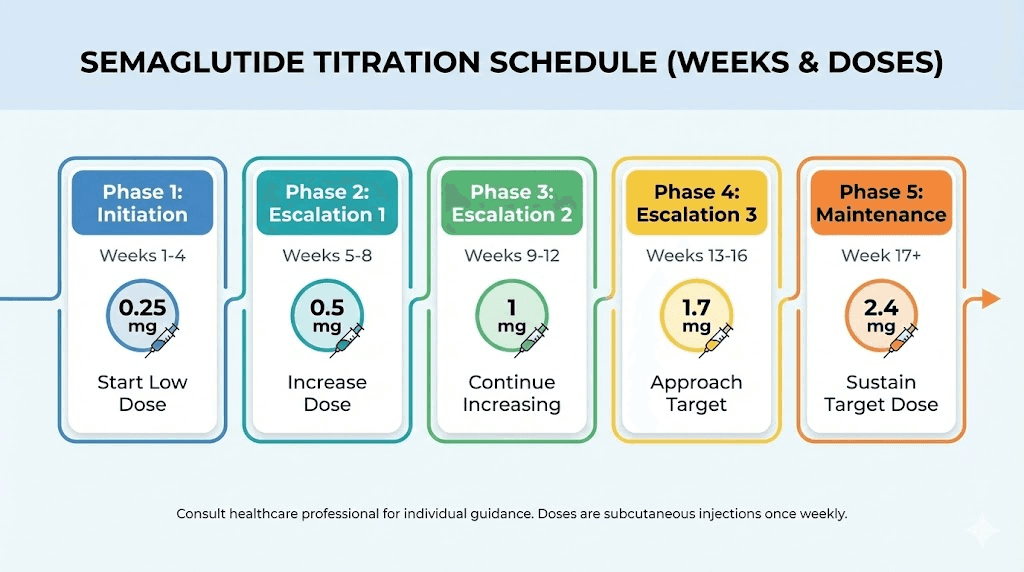
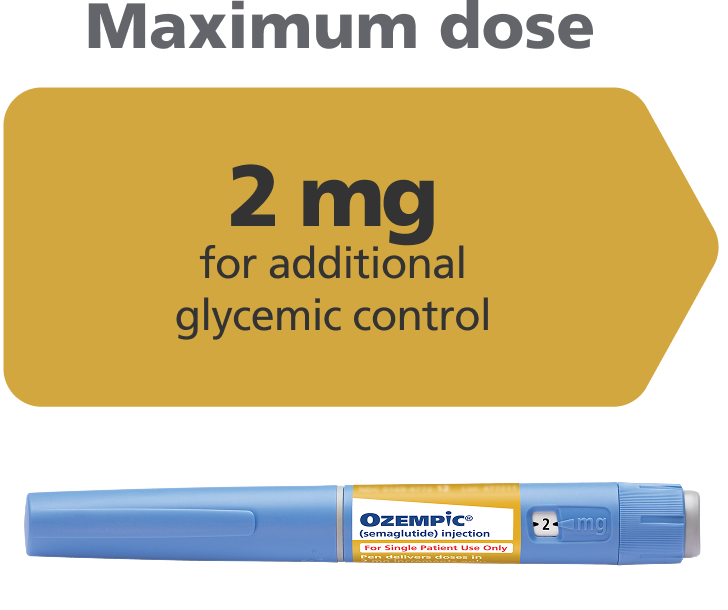
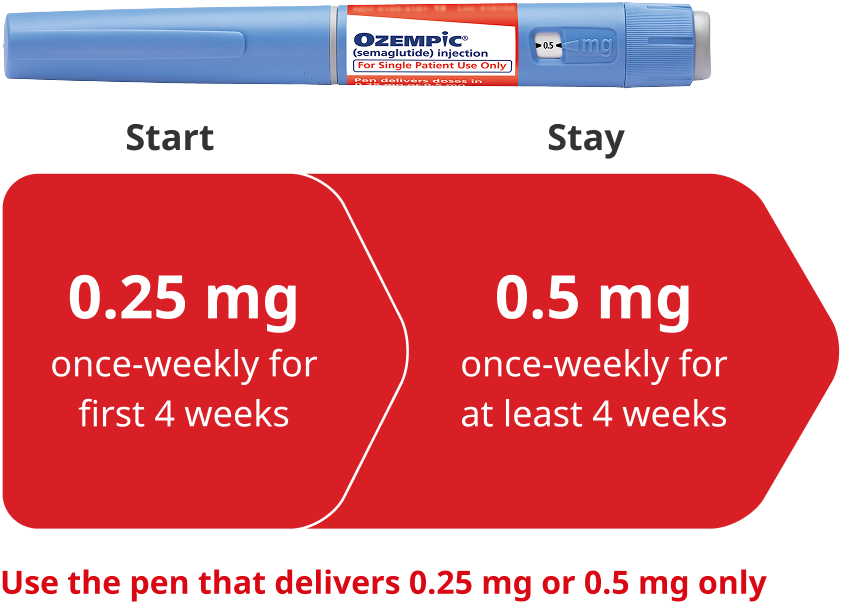
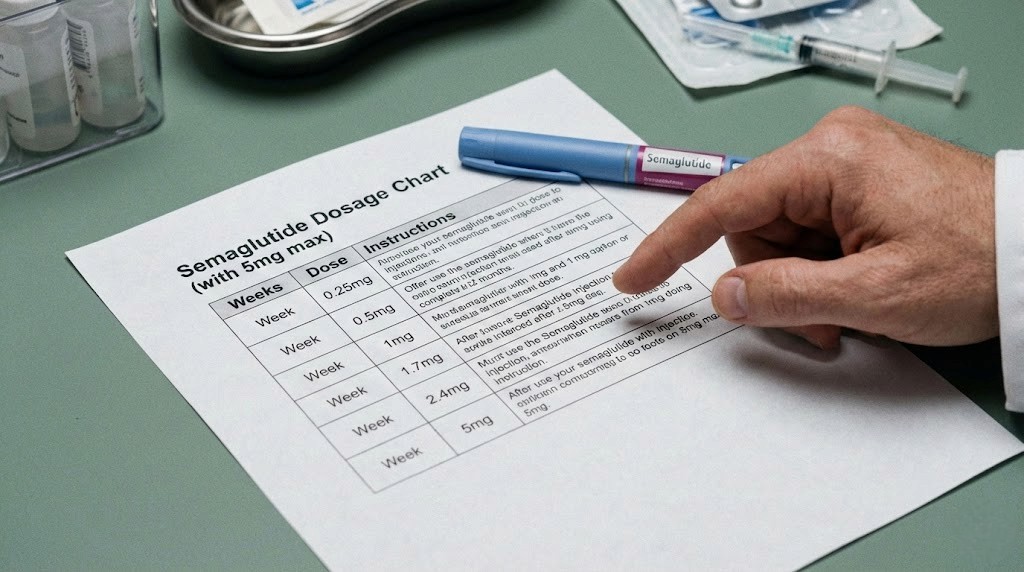
If you do not achieve adequate weight loss on semaglutide, your provider may recommend increasing the dose (if not already at maximum), switching to tirzepatide (which works through a dual mechanism), or adding complementary approaches such as hormone optimization or more intensive nutritional support

Side effects and risks of phentermine and combination medications Common side effects of Qsymia can include: Prickling, numbness, and tingling sensations in the skin Constipation Dry mouth Increased heart rate Dizziness Metallic, bitter, or other unpleasant taste Insomnia Rare but serious side effects of Qsymia may include: Sudden onset of suicidal thoughts or behaviors Nearsightedness Closed-angle glaucoma, a rare condition in which fluid builds up and creates pressure in the eye Problems with attention, memory, speech, or language Too much acid in body fluids, called metabolic acidosis Reduced kidney function Rash The most common side effects with Contrave include: Nausea or vomiting Constipation Headache Dizziness Insomnia Dry mouth Diarrhea Less common side effects of Contrave may include: Mood changes, including depression, mania, hallucinations, anxiety, panic, and agitation High blood pressure and heart rate Seizures Liver damage Closed-angle glaucoma Low blood sugar in people who also take diabetes medicines Like all medications that contain antidepressants , Contrave carries a boxed warning about an increased risk of suicidal thoughts and behaviors in children, teens, and young adults
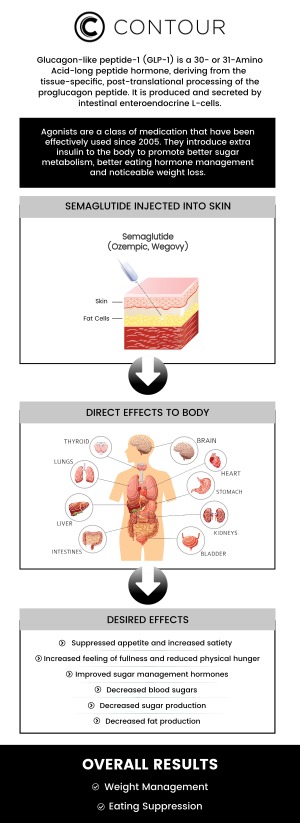
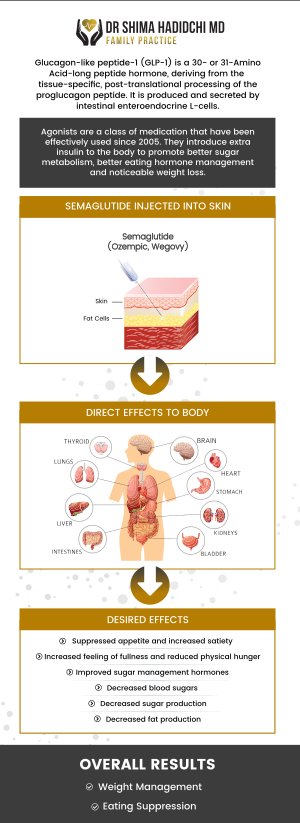
How GLP-1 Receptor Agonists Work GLP-1 receptor agonists like semaglutide work by: Increasing Insulin Secretion: When blood sugar levels are high, semaglutide stimulates the pancreas to release more insulin, which helps lower blood sugar