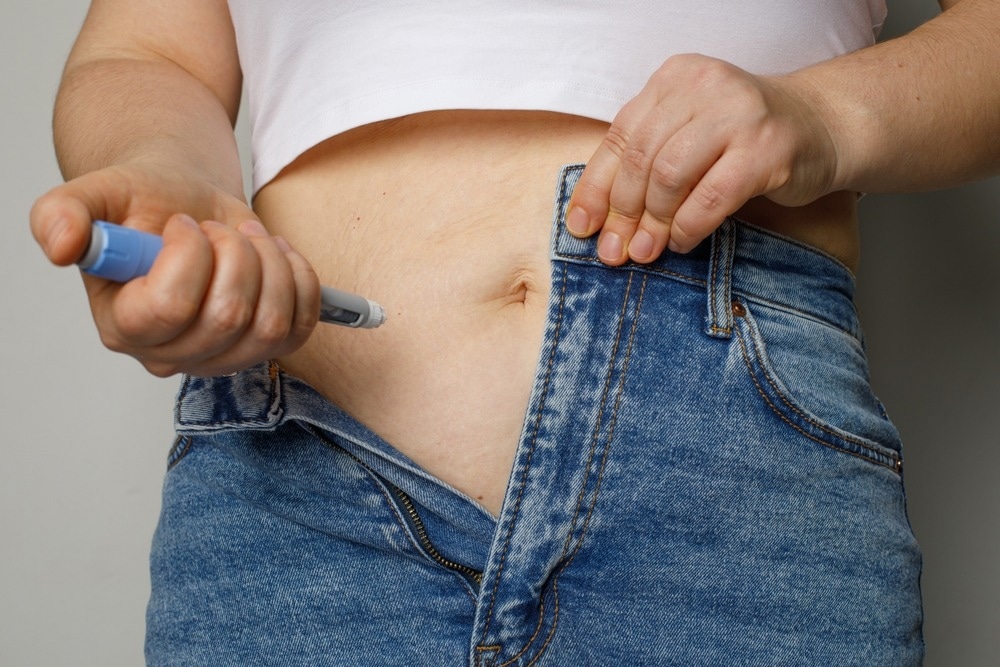
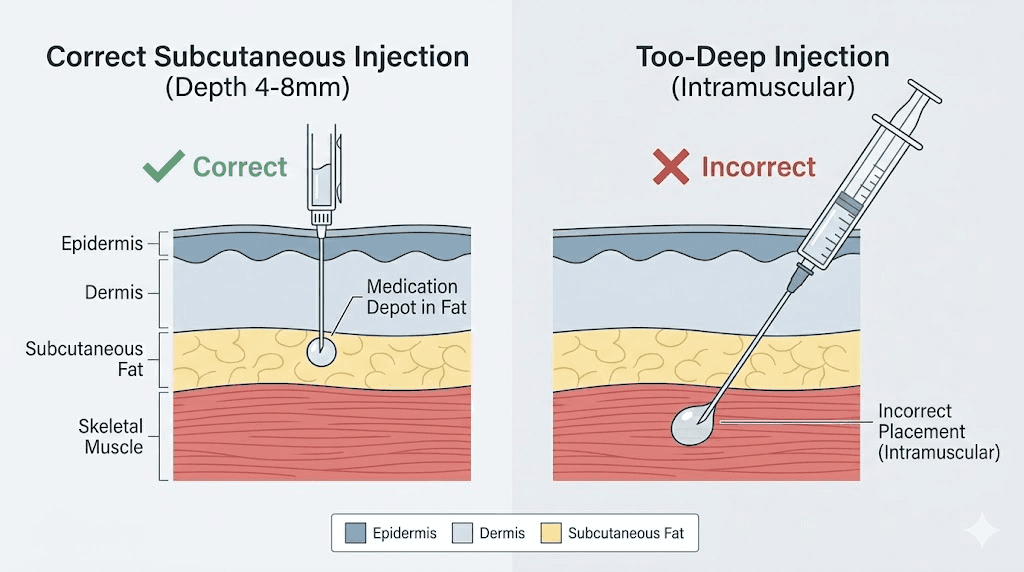
If you suspect you've accidentally injected semaglutide into muscle: Do not administer an extra dose to compensate Continue your regular dosing schedule for future injections Monitor for unusual symptoms but understand that occasional technique errors are unlikely to significantly compromise overall treatment Pay attention to blood glucose levels , especially if you also take insulin or sulfonylureas, as these combinations increase hypoglycemia risk Contact your healthcare provider promptly if you experience: Severe or persistent abdominal pain (potential sign of pancreatitis) Signs of allergic reaction (rash, swelling, difficulty breathing) Symptoms of hypoglycemia (if on insulin or sulfonylureas) Signs of infection at the injection site While an occasional intramuscular injection is not typically a medical emergency, proper technique for future injections is important for consistent medication delivery and therapeutic effect

This decline correlates with changes in body composition, sleep quality, recovery capacity, and metabolic function that many adults experience as they age
Contraindications and Precautions Use of bacteriostatic water should be guided by: The prescribing information of the medication being reconstituted Institutional policies and clinical protocols Professional guidelines (pharmacy boards, nursing associations, medical societies) Individual patient factors and medical history (as determined by the treating healthcare provider) Practitioners should verify that bacteriostatic water is the appropriate diluent for the specific medication being reconstituted, as some medications may require single-dose sterile water or other specific diluents
These findings reflect outcomes from FDA-approved products and may not translate directly to compounded versions