Prednisone to reduce platelet destruction, medicines to promote platelet synthesis in the bone marrow, and sometimes spleen excision are used to treat thrombocytopenia caused by autoimmune destruction of platelets (as in IPT)
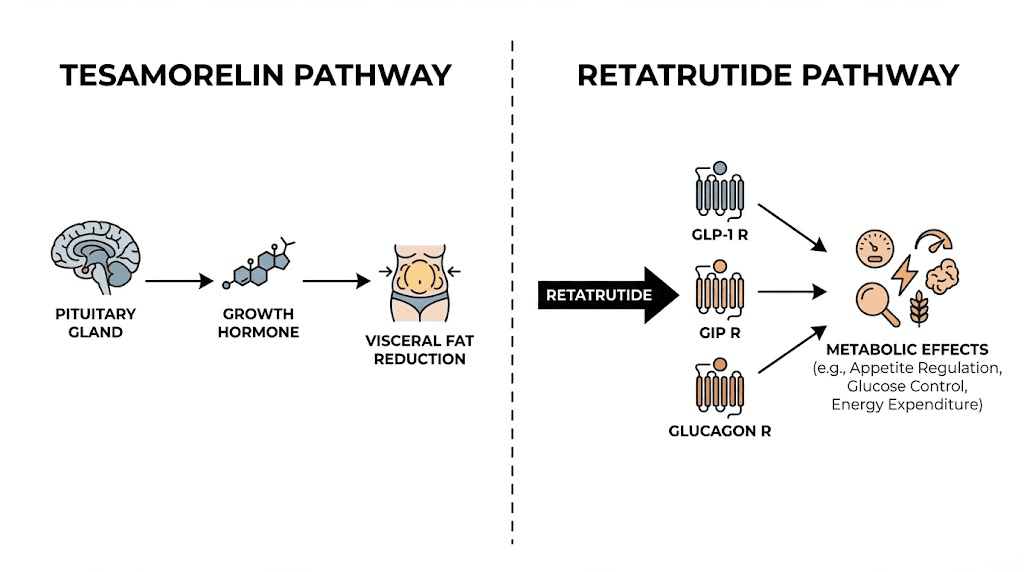
Retatrutide Clinical Research Findings The clinical development program for retatrutide has produced compelling data across multiple research endpoints: Weight Loss Efficacy: Phase 2 trials showed dose-dependent weight reduction ranging from 8.7% at the lowest dose to 24.2% at the highest dose over 48 weeks Metabolic Improvements: Participants demonstrated improvements in glycemic control, lipid profiles, and blood pressure measurements Safety Profile: Gastrointestinal effects (nausea, vomiting, diarrhea) were the most common adverse events, occurring in 60-80% of participants but generally rated as mild to moderate in severity Sustained Effects: Weight loss continued throughout the trial period without evidence of plateau, suggesting ongoing metabolic benefits These findings have positioned retatrutide as a leading candidate for advanced metabolic research

Study: Glucagon-like peptide 1 receptor agonist discontinuation and risks of major adverse cardiovascular events in adults with type 2 diabetes: target trial emulation
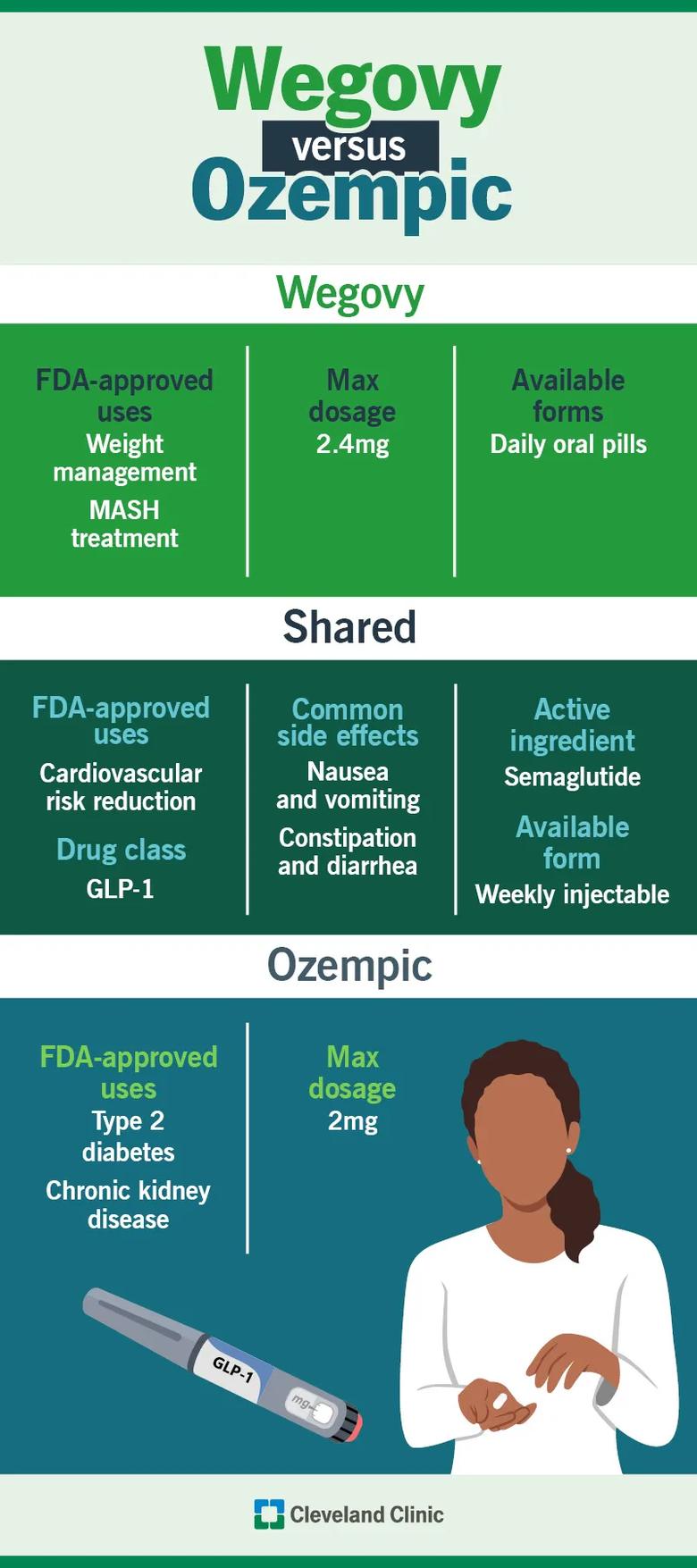
While the active ingredient is the same, the dosages, FDA approvals, and most importantly, the costs can vary wildly between these three options