To date, the preclinical evidence for potential therapeutic benefits of GLP-1 receptor agonists in AD is largely derived from studies on rodent models overexpressing rare, but highly penetrant, genetic mutations recognized as high-risk factors for development of early-onset familial dementia, including amyloid- protein precursor (APP) and presenilin-1 (PS1)
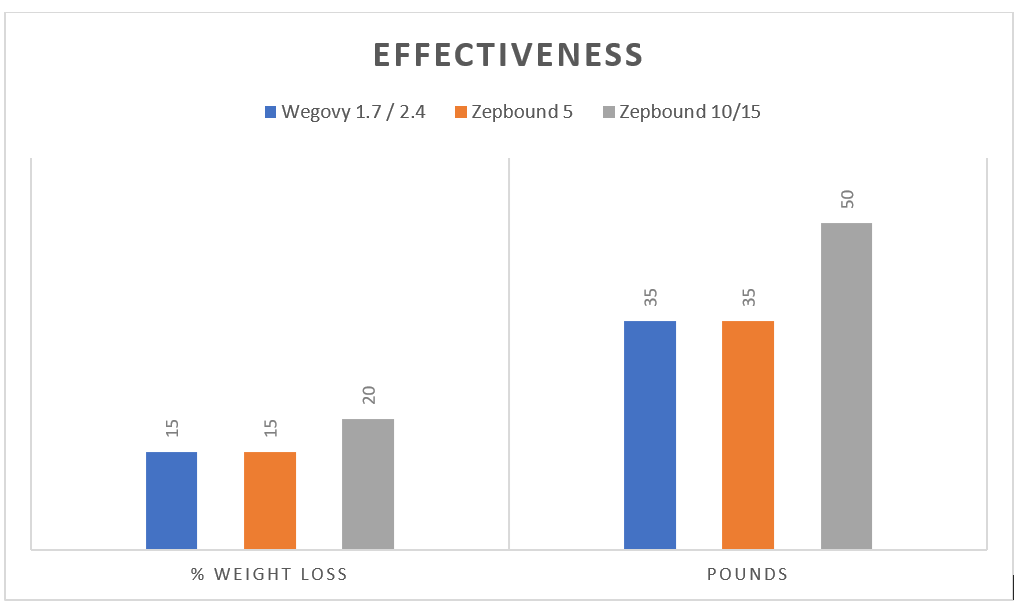
There are five different dose strengths: 0.25 mg, 0.5 mg, 1 mg, 1.7 mg, and 2.4 mg
Notaras y Registros De la propiedad, mercantiles, administrativos

GLP-3 Lets break down the key differences in a clear, comparative format: Primary Location of Action GLP-1: Pancreas, brain, stomach, cardiovascular system GLP-2: Intestinal tract, gut epithelium GLP-3: Unknown/under investigation Main Functions GLP-1: Regulates blood sugar Suppresses appetite Promotes weight loss Slows gastric emptying Protects cardiovascular system GLP-2: Promotes intestinal growth Enhances nutrient absorption Repairs gut lining Reduces inflammation Strengthens gut barrier GLP-3: Functions not well established Potentially metabolic or intestinal Requires more research Clinical Applications GLP-1: Type 2 diabetes treatment Obesity and weight management Cardiovascular disease prevention Potential neuroprotection GLP-2: Short bowel syndrome Inflammatory bowel disease (experimental) Intestinal injury recovery Malabsorption disorders GLP-3: No established clinical applications Currently research-only Half-Life GLP-1: Very short (2 minutes for natural form