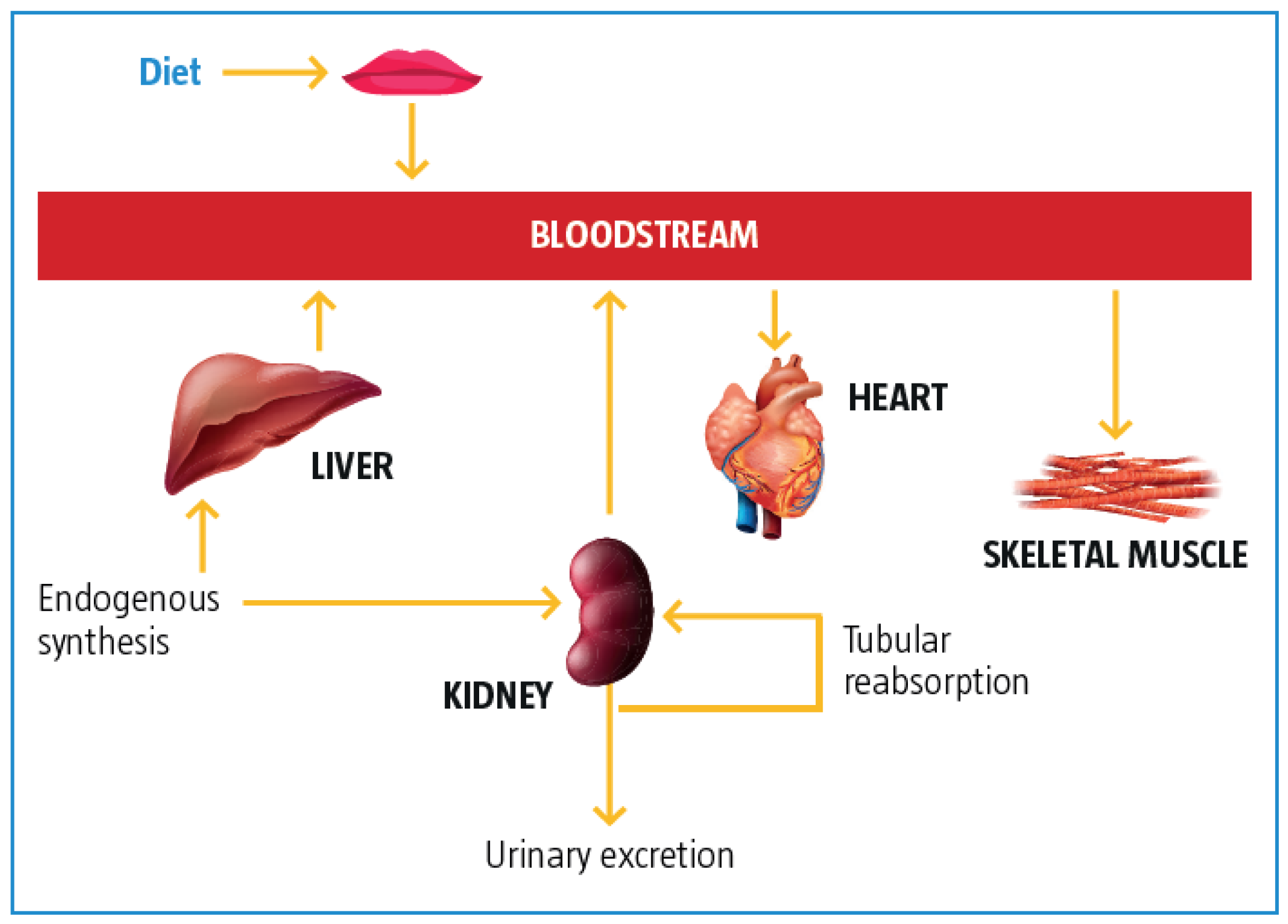
It works by neutralizing free radicals, supporting liver detoxification, and maintaining immune function in every cell
Gastrointestinal Cytoprotection In its original gastric biology context, BPC-157 promotes mucosal integrity through prostaglandin-independent mechanisms, modulates enteric neuron and glial cell activity, counteracts NSAID-induced intestinal permeability, and demonstrates organoprotective activity across the alimentary canal from oesophagus to colon in a range of injury models including ethanol, aspirin, and restraint stress-induced lesions
One of the main signs of bacterial overgrowth is increased levels of hydrogen or methane gas in the gut, which are produced through a process known as fermentation
TB-500 is a systemic recovery peptide: a synthetic fragment of Thymosin Beta-4, it circulates throughout the body to reduce inflammation, improve cell migration, and support recovery across multiple tissue types simultaneously