Below is a snapshot of some supporting research: In one very small study on five people with mild to moderate Parkinsons disease and three controls, a high dose of NAC (a total of 6,000 mg/day taken orally which diminished the bioavailability of the dose) for a period of 4 weeks led to an increase of cysteine levels and antioxidant measures (GSH/GSSGa ratio of the reduced to oxidized glutathione which relates to oxidative stress with higher ratio levels associated with healthier cellsand catalase), but it did not demonstrate any improvement in the oxidative stress measurements (4HNE and MDA) nor did it increase the level of glutathione in the brains
Similarly, a 2019 meta-analysis published in Obesity Reviews concluded that weight cycling increases the risk of cardiometabolic disease, systemic inflammation, insulin resistance, and psychological distressespecially among women (Eun-Jung Rhee, 2017)
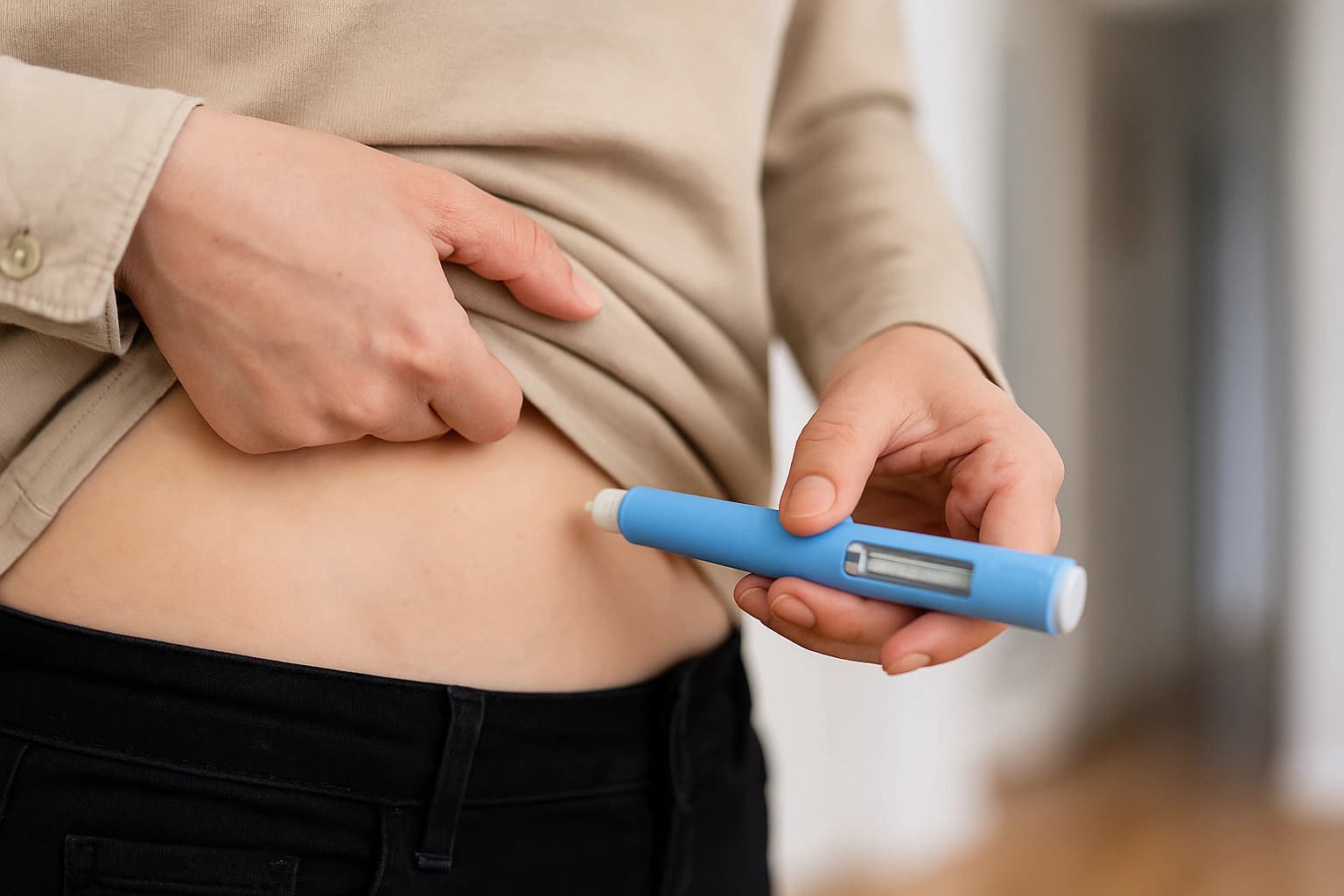
Discuss with your clinician about adjusting your GLP-1 dosing schedule if constipation is severe Consider prescription medications for persistent constipation that doesnt respond to other measures When to seek medical advice Contact your healthcare provider if you experience: No bowel movement for more than 4-5 days Severe abdominal pain or distension Blood in the stool Constipation alternating with diarrhoea Unexplained weight loss or fatigue Constipation that doesnt improve with self-management strategies Long-term outlook For most patients, constipation either resolves as the body adjusts to GLP-1 therapy or can be effectively managed with dietary and lifestyle modifications
Have you checked whether the medications under consideration could conflict with your current prescriptions or health conditions