Risk Factors for Adverse Reactions Some individuals may be at higher risk for side effects, and therefore, we recommend that you speak to a medical professional if you have any of the following: Pre-existing liver or kidney conditions Autoimmune disorders Hormone-sensitive conditions History of allergic reactions to peptides Long-Term Safety Considerations Its important to note several key facts about long-term safety: No human clinical trials have assessed long-term safety beyond several months Carcinogenicity (cancer-causing potential) has not been thoroughly studied The potential for developing antibodies against BPC 157 with prolonged use is unknown Possible tolerance development with continuous use has not been well-researched Long-term effects on hormone systems remain unclear Extent of Research on BPC 157 As it stands, BPC 157 still has some research gaps
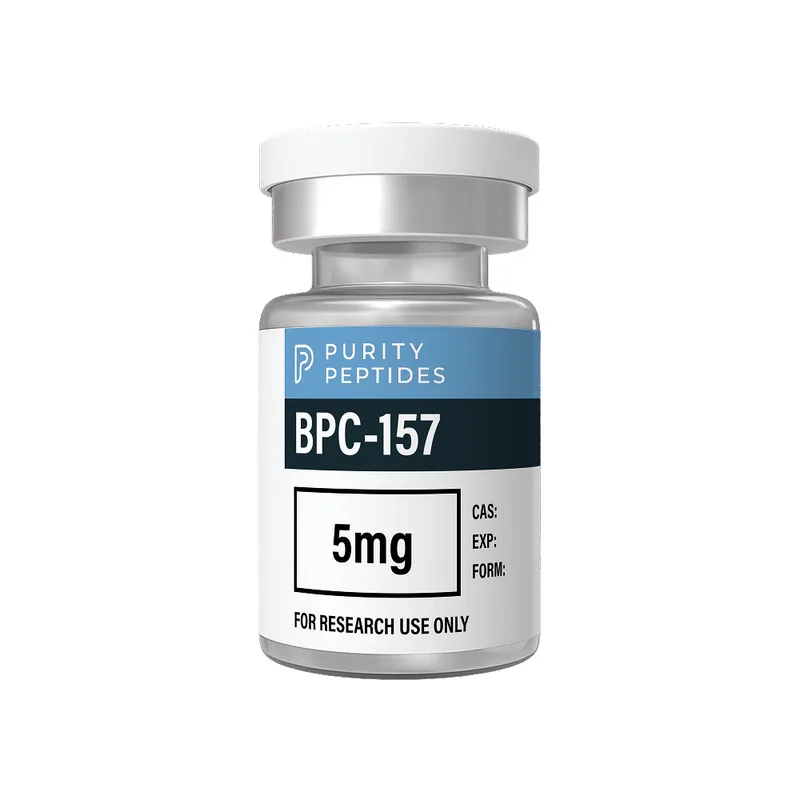
However, absence of evidence is not evidence of absence. The sample sizes were small, and rare side effects (or ones that occur with prolonged use) could easily have been missed
It does not provide preparation, dosing, administration, injection, oral-use, cycling, stacking, purchasing, weight-management or self-experimentation guidance
The combination addresses different but complementary repair pathways: BPC-157 promotes growth factor signaling and angiogenesis through the VEGF pathway, while TB-500 facilitates cellular migration and differentiation through actin modulation